School Security Assessment Checklist: What to Review on Campus
A school security assessment checklist should cover five areas: the exterior and grounds, entrances and visitor management, the building interior and classrooms, communication systems, and the plans, training and drills that tie it all together. Walk each building with that list, note what you see in plain language, and rank each gap by risk and cost to fix.
Key takeaways from the school security assessment checklist
- Assess people and procedures, not just doors and cameras. Most gaps are behavioral.
- Walk the building at arrival, dismissal and after hours, not only during quiet class time.
- Use the same checklist for every building so results can be compared districtwide.
- Rank findings into quick fixes, budget items and capital projects.
- Use free federal tools as a base and bring in a professional for an independent review.
What should a school security assessment checklist cover?
A good school security assessment follows the path an intruder, a visitor and a student would take: from the street, across the grounds, through the front door and down the hallway to a classroom. Then it steps back to look at the systems and plans that support everyone inside.
| Area | Main question | Who to involve |
|---|---|---|
| Exterior and grounds | Can staff see and control who approaches the building? | Facilities, custodial, principal |
| Entrances and visitors | Does everyone enter through one controlled, monitored point? | Front office, principal |
| Interior and classrooms | Can each room be secured quickly from inside? | Teachers, facilities |
| Communications | Can every person get and send an alert, everywhere in the building? | IT, administrators |
| Plans, people and drills | Do staff know what to do, and have they practiced it? | Safety team, counselors, local responders |
Federal resources such as the free School Security Assessment Tool from CISA follow a similar layered approach, so this list fits well alongside them. Our roundup of free school security assessment tools compares the main options.
School security assessment checklist: exterior, grounds and parking
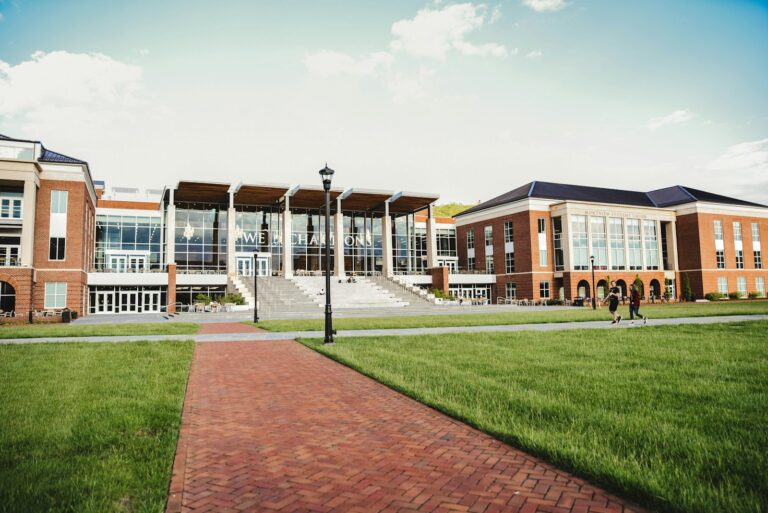
The exterior is where a school security assessment starts, because it is where you gain time. The earlier staff can spot a problem, the more options they have. Crime Prevention Through Environmental Design (CPTED) is a helpful lens here, built on natural surveillance, natural access control, territorial reinforcement and maintenance.
- Clear property boundaries, with fencing or landscaping that guides visitors toward the main entrance.
- Clear sight lines from the office and classrooms to parking, drop off and play areas. Trim shrubs and tree canopies that create hiding spots.
- Separate bus, parent and staff traffic where possible, with supervision assigned during arrival and dismissal.
- Exterior lighting that works and covers walkways, entrances and parking after dark.
- Every exterior door numbered on the outside and inside, so responders and staff can describe locations quickly.
- Portable classrooms, sheds and outbuildings included in the plan, not forgotten.
- Signs directing all visitors to the main office.
- Visible upkeep: no broken windows, graffiti or damaged fencing left unrepaired.
If your grounds need a deeper design review, consultants who specialize in CPTED can help.
Checklist: entrances, visitors and access control
In any school security assessment, the main entrance is usually the single most important control point. During the school day, the goal is simple: one way in, and someone decides who gets through it.
- A single designated visitor entrance, with all other exterior doors locked during school hours.
- A secure vestibule or other layout that keeps visitors from entering the building before they are checked in.
- An intercom and camera at the entrance so office staff can see and talk to visitors before releasing the door.
- A visitor procedure: ID check, sign in, visible badge, and sign out. Check whether staff follow it every time, including for familiar faces.
- Exterior doors that close and latch on their own. Test them. Doors propped open with mats, rocks or wedges are among the most common findings.
- Key and access card control: who has keys, how lost cards are disabled and when the list was last audited.
- A plan for after hours events, community use and deliveries.

Checklist: interior, classrooms and communications
Interior and classrooms
- Classroom doors that can be locked from inside without stepping into the hallway, which is a widely recommended practice.
- Door locks that are actually used. Check whether teachers keep doors locked during class as your policy requires.
- A way to cover or limit sight lines through door windows if your lockdown procedure calls for it.
- Room numbers that match floor plans shared with responders.
- Designated hard corners or safe areas in each room, out of view from the door.
- Large spaces (gym, cafeteria, auditorium, library) with their own lockdown and evacuation plans.
- Locked mechanical, electrical and storage rooms, and roof access controlled.
Communications
- A public address system that can be heard in every space, including outdoors, restrooms and gyms.
- A way for any staff member to start an alert, not only front office staff.
- Working radios for administrators, custodians and recess or bus duty staff.
- Known dead zones for cell or radio coverage, with a workaround.
- A parent notification process that has been tested.
Checklist: plans, people and drills
Hardware buys time. People and plans decide what happens with that time. This is the part of a school security assessment that most often finds the biggest gaps.
- A current emergency operations plan, reviewed in the last year, with annexes for lockdown, evacuation, shelter in place and reunification. See our guide to the school emergency operations plan.
- Copies of floor plans and site maps shared with local police and fire.
- A multidisciplinary behavioral threat assessment team with a clear referral process. Experts in behavioral threat assessment can help set one up.
- An anonymous reporting option that students know about and trust.
- Drills that are scheduled, varied (different times, locations, blocked exits) and followed by a short debrief.
- Training that reaches substitutes, coaches, bus drivers, food service and volunteers, not only teachers.
- Accommodations for students and staff with disabilities in every procedure.
- Regular contact with local first responders, including at least one walkthrough.
How do you run a school security assessment and use the results?
Pick a small team, ideally an administrator, a facilities lead, a teacher and, if possible, a local officer or school resource officer. Walk each building at least twice: once during arrival or dismissal, and once when it is quiet. Take photos, but store them securely, since a detailed record of your weaknesses is sensitive.
For each finding, write what you saw, where and why it matters. Then sort findings into three groups:
- Fix now: no or low cost, such as a door that will not latch or a procedure nobody follows.
- Budget this year: items like intercoms, door hardware or radios.
- Capital planning: vestibules, fencing, major system upgrades.
Assign an owner and a date to each item, then review progress at safety committee meetings and keep the results as the baseline for your next school security assessment.
A school security assessment done by your own staff is a great start, but it has limits. Staff tend to overlook issues they see every day, and boards often want an independent opinion before funding larger projects. When you reach that point, our directory of school safety consultants and the school security assessment cost guide will help you plan.
Want an independent review of your campus?
Share your buildings and goals, and we will connect you with vetted school safety consultants who can run a full assessment and turn this checklist into a funded action plan.
Frequently asked questions
How often should a school do a security assessment?
Many districts do a full assessment every few years, with a lighter walkthrough each year and after any major renovation, new construction or serious incident. Some states set their own schedules, so check your state requirements. Annual checks of doors, communications and visitor procedures catch the small problems that build up between each full school security assessment.
Who should be on the school security assessment team?
A useful team includes a building administrator, a facilities or custodial lead, a teacher and, where possible, a school resource officer or local police contact. Each sees the building differently. A counselor or mental health staff member adds insight on threat assessment and reporting. For an independent view, add an outside security consultant.
Is there a free school security assessment checklist?
Yes. CISA offers a free School Security Assessment Tool, and other free options include the PASS K-12 guidelines and some state tools. These are a solid foundation for a self assessment. Use them consistently across buildings, and consider a professional review when you need independent findings or help prioritizing larger investments.
What are the most common findings in school security assessments?
Common findings include exterior doors that do not latch or are propped open, visitor procedures that are skipped for familiar faces, classroom doors left unlocked, PA dead zones, outdated emergency plans and training that misses substitutes and support staff. Many of these cost little to fix, which is why a careful walkthrough is so valuable.