Church Security Plan: How to Build One That Protects Your Congregation
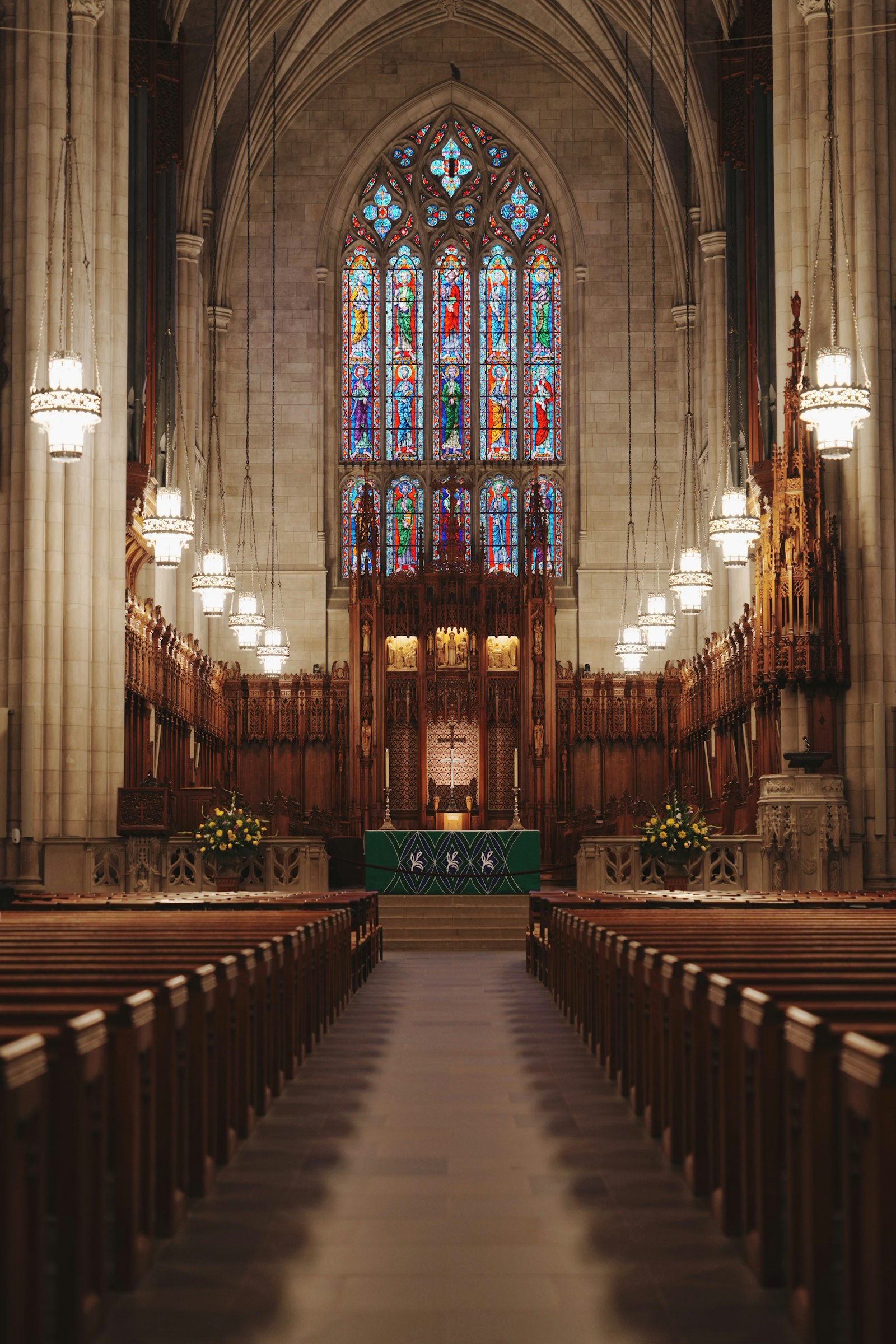
A church security plan is a written document that explains how your congregation prevents, prepares for and responds to emergencies, from medical calls and severe weather to theft, child safety concerns and violence. A good church security plan is based on a risk assessment of your own building and ministries, names who does what during services and events, and is kept alive through training and regular drills.
Church security plan: key takeaways
- Start your church security plan with a risk assessment. The most likely emergencies at most churches are medical, weather and property related, not active attacks.
- Cover every gathering, not just Sunday worship: midweek programs, youth events, weddings, funerals and rentals.
- A safety team needs clear roles, screening, training and a reliable way to communicate.
- Children’s ministry, cash handling and building access are core parts of the plan, not extras.
- Talk to your insurer and an attorney before adopting any policy on armed volunteers.
What should a church security plan include?
Every congregation is different, but most effective plans contain the same building blocks:
- A summary of the risk assessment and the risks the plan addresses
- Roles and responsibilities, including who leads during an emergency
- Access control procedures for services, the office and weekday activities
- Children and youth protection policies
- Medical emergency response, including first aid and AED locations
- Severe weather, fire and evacuation procedures
- Response to disruptive individuals and threats of violence
- Financial controls for offerings and deposits
- Communication, both during an incident and with the congregation afterward
- Training, drills and a schedule for reviewing the plan
Keep your church security plan practical. A short, clear document that volunteers actually read is worth more than a long binder that sits on a shelf.
How do you assess your church’s risks?
Before you write a church security plan, begin by walking the property with fresh eyes, ideally with someone who has done this before. Look at how people enter and leave, which doors are left unlocked during services, where children are during worship, what the parking lot looks like at night, and how long it would take police or an ambulance to arrive.
The principles of CPTED (natural surveillance, natural access control, territorial reinforcement and maintenance) are a useful lens. Overgrown shrubs by entrances, dark side doors and unclear boundaries all make a property easier to misuse. Many fixes, such as trimming landscaping and improving lighting, cost very little.
CISA’s Mitigating Attacks on Houses of Worship Security Guide is a free resource worth reading, and your property insurer may offer its own checklists. For a deeper review, an independent consultant can run a physical security assessment and prioritize improvements by risk and budget. Our physical security assessment cost guide explains what to expect.
How do you build a church safety team?
Most churches rely on volunteers. That works well when the team is organized, screened and trained. Your church security plan should name each role and the person who fills it.
Roles
Typical roles include a team leader, greeters and ushers trained to notice concerning behavior, a medical lead (often a nurse or EMT in the congregation), someone watching the children’s area, and a parking lot or exterior post. Ushers and greeters are already your first line of observation, so include them in training.
Screening and training
Run background checks on anyone working with children or in safety roles. Train the team in situational awareness, verbal de-escalation, first aid and CPR, emergency procedures and how to call 911 with the right information. Practice together several times a year, using scenarios drawn from your church security plan.
Communication
Decide how team members will talk to each other during a service, whether by radios, a group messaging app or discreet signals. Agree on plain language codes for common situations so everyone knows what is happening, and write those codes into the church security plan.
The question of armed volunteers
Some congregations consider allowing members to carry firearms as part of the safety team. Laws on carrying in places of worship vary by state, and armed volunteers can raise serious liability and insurance questions. Speak with your insurer and an attorney, and consider the training, policies and oversight that would be required, before making any decision.

How do you protect children and youth?
Children’s ministry is one of the most sensitive parts of any church security plan. Common practices include:
- A secure check in system that gives parents a matching tag or code needed for pick up.
- A rule that at least two screened adults are present with children, so no adult is ever alone with a child.
- Classrooms with windows in doors or half doors so activity is visible.
- A clear plan for moving children during an evacuation or lockdown and reuniting them with parents.
- Written procedures for reporting suspected abuse, in line with your state’s mandated reporter laws.
Which sections are easiest to overlook?
Use this table as a quick check of your draft church security plan.
| Plan section | Questions to answer |
|---|---|
| Medical emergencies | Where are the AED and first aid kits? Who is trained? Who calls 911 and meets the ambulance? |
| Severe weather | Where do people shelter? How will you warn a full sanctuary? Who checks the nursery and restrooms? |
| Offerings and cash | Are offerings counted by at least two unrelated people? How and when are deposits made? |
| Weekday access | Who can enter the office during the week? Are doors locked when staff are alone? |
| Events and rentals | Does the plan apply to weddings, funerals, concerts and outside groups using the building? |
| Communication | Who speaks to the congregation, families and media after an incident? |
| Review | When was the plan last updated, and who is responsible for the next review? |

How do you respond to threats of violence?
Attacks on houses of worship are rare but devastating, and planning for them in your church security plan also prepares you for many other emergencies. Teach your team and leaders a simple response model, such as Run, Hide, Fight, and adapt it to your building: which rooms lock, where the exits are, and how to move children. Our guide to active shooter preparedness training covers what good training looks like.
Prevention matters just as much. Take threats seriously, document disruptive behavior, and involve local police when someone’s conduct worries you. Invite them to tour the building and keep current floor plans on file with them.
How can you pay for security improvements?
Many fixes cost little: better lighting, trimmed landscaping, lock discipline and training. For larger projects, FEMA’s Nonprofit Security Grant Program provides funding for physical security improvements at nonprofit organizations, including houses of worship, at high risk of terrorist attack. Applications go through your state’s administrative agency, and a written vulnerability assessment is typically part of the application.
If you want help, browse vetted consultants who specialize in emergency preparedness and CPTED.
Get help building your church security plan
Tell us about your congregation, building and ministries, and we will match you with vetted security consultants who work with houses of worship. They can assess your property, train your safety team and help write a plan that fits your church. Proposals are free.
Frequently asked questions
Does a small church need a security plan?
Yes. Small congregations face the same basic emergencies as large ones, especially medical events, severe weather, theft and child safety concerns, and often have fewer people trained to respond. A small church security plan can be short and simple, but it should still name who leads in an emergency, how to call for help and how children are protected.
How often should a church security plan be updated?
Review your church security plan at least once a year and after any incident, renovation, staff change or new ministry. Walk through the plan with your safety team, update contact lists and floor plans, and run at least one drill. Plans quickly go stale when volunteers rotate, so make one person responsible for keeping it current.
Should churches allow armed volunteers on the safety team?
That decision depends on state law, your insurance policy, your denomination’s guidance and your congregation’s comfort level. Armed volunteers raise significant liability and training questions. Before adopting any policy, consult your insurer and an attorney, and set clear requirements for screening, training, qualification and oversight. Many churches choose unarmed teams that coordinate closely with police.
Can churches get grants for security?
Some can. FEMA’s Nonprofit Security Grant Program funds physical security improvements for nonprofit organizations, including houses of worship, that are at high risk of terrorist attack. Applications are submitted through each state’s administrative agency and usually require a vulnerability assessment. Some states also run their own security grant programs for nonprofits, so check with your state.
Do we need a consultant to write a church security plan?
Not always. Many churches write their own church security plan using free guidance from CISA, their insurer and their denomination. A consultant becomes valuable when you want an objective assessment, need a vulnerability assessment for a grant, have experienced threats or incidents, or simply lack volunteers with security experience to train the team and test the plan.
Keep reading
What Is a Security Vulnerability Assessment? A Plain Guide

Physical Security Assessment vs Penetration Test: Which Do You Need?