CPTED: Crime Prevention Through Environmental Design Explained
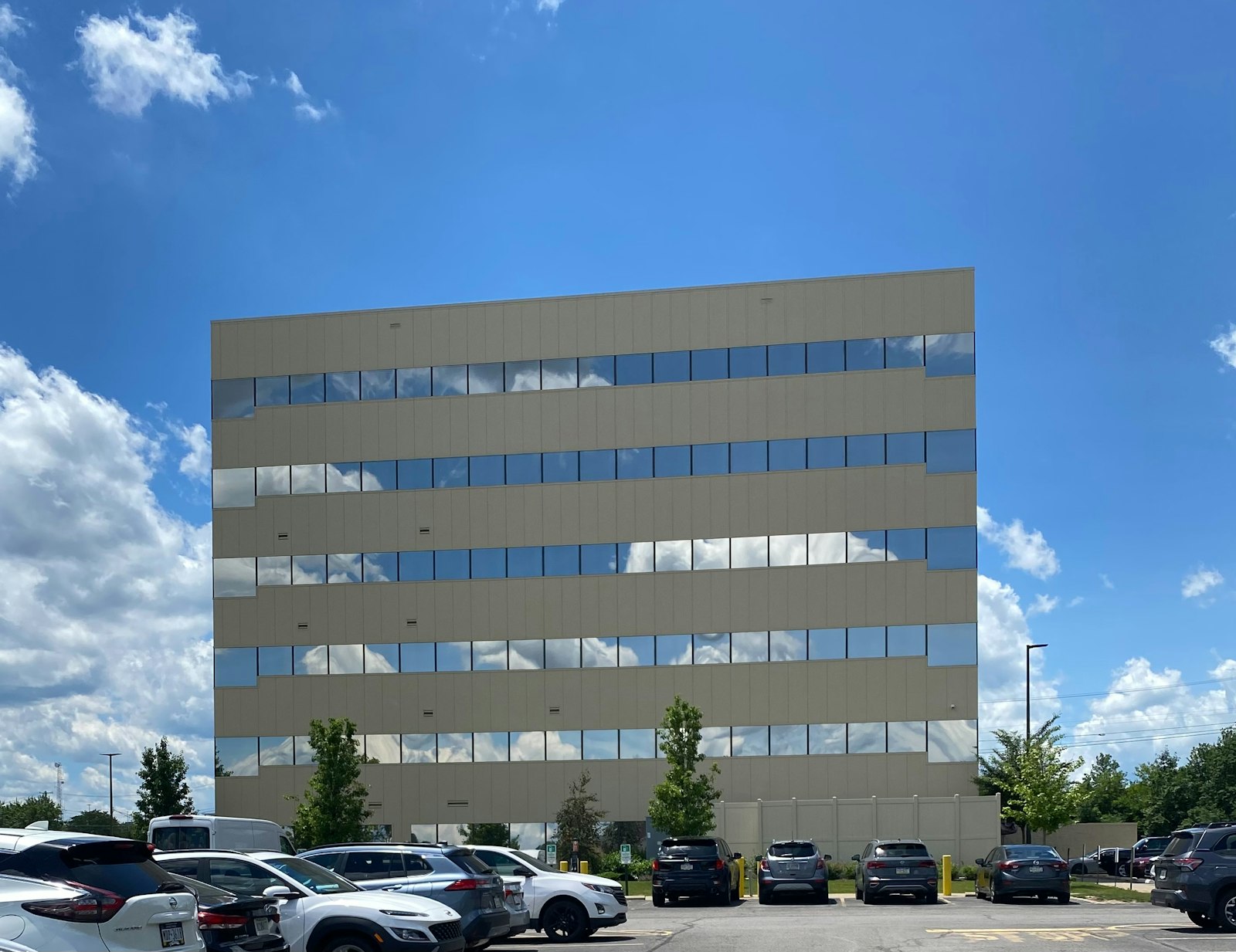
CPTED (Crime Prevention Through Environmental Design, usually pronounced “sep-ted”) is an approach to reducing crime and fear of crime by shaping the physical environment: sightlines, lighting, entrances, landscaping, signage and upkeep. Four CPTED principles sit at its core: natural surveillance, natural access control, territorial reinforcement and maintenance. Done well, it makes a property harder to misuse and easier for legitimate users to watch over, often at lower cost than adding guards or technology.
Key takeaways on CPTED principles
- CPTED works by influencing behavior: offenders look for places where they will not be seen, challenged or noticed.
- The four core CPTED principles are natural surveillance, natural access control, territorial reinforcement and maintenance.
- Many fixes based on CPTED principles are inexpensive, such as trimming shrubs, relighting a path or consolidating entrances.
- CPTED is most effective at the design stage, but existing schools, offices, churches and apartment complexes benefit too.
- It complements locks, cameras and staff. It does not replace them.
Where did CPTED come from?
The term was coined by criminologist C. Ray Jeffery, whose 1971 book carried the name Crime Prevention Through Environmental Design. Around the same time, architect Oscar Newman published Defensible Space (1972), which studied how the design of public housing affected crime and residents’ sense of ownership.
Since then, CPTED principles have become standard practice for many police crime prevention units, planners, architects and security consultants. Many US cities and school districts now ask for CPTED review of new construction or major renovations.
What are the four CPTED principles?
1. Natural surveillance
People behave differently when they believe they can be seen. Natural surveillance means arranging buildings, windows, lighting and landscaping so that the people who belong there can easily see what is happening.
- Windows that overlook parking lots, playgrounds and entrances
- Even, glare free lighting along walkways, doors and parking areas
- Low shrubs and high tree canopies that keep sightlines open (many practitioners use a rule of thumb of shrubs below about 3 feet and tree canopies trimmed up to about 6 feet or more)
- Reception desks positioned to see the main door and approach
2. Natural access control
This principle guides people toward intended entrances and discourages entry everywhere else, using design rather than locked doors alone. Clear walkways, fencing, planters, gates and a single obvious main entrance all send visitors where you want them, which makes anyone off the path stand out.
3. Territorial reinforcement
Spaces that look owned get treated with more respect. Territorial reinforcement uses features such as defined property lines, signage, changes in paving, entry gateways and well kept landscaping to show where public space ends and private space begins. Legitimate users feel more responsible for the space, and outsiders feel more conspicuous.
4. Maintenance
Broken lights, graffiti, litter and overgrown landscaping suggest that nobody is paying attention. Prompt repairs and routine upkeep keep the other three CPTED principles working. A perfectly designed lighting plan does nothing if half the fixtures are burned out.
What do CPTED principles look like in practice?
The table below shows common problems a CPTED review finds and how CPTED principles typically answer them. None of these are exotic; most fall within a facilities budget.
| Common problem | CPTED principle | Typical fix |
|---|---|---|
| Dense shrubs beside entrances and windows | Natural surveillance | Prune or replace with low growing plants |
| Dark corners in parking areas | Natural surveillance | Add or relocate lighting for even coverage |
| Visitors unsure which door to use | Natural access control | Signage, walkway design and one clearly marked main entrance |
| Loitering behind a building | Access control and territoriality | Fencing, gates or planters; activate the space with legitimate use |
| No clear property boundary | Territorial reinforcement | Edging, paving changes, low fencing and signage |
| Graffiti and broken fixtures left for weeks | Maintenance | A reporting process and a target time for repairs |
Where is CPTED most useful?
Schools
In schools, CPTED principles support a single controlled entry point, clear sightlines from the front office, visible playgrounds and well defined drop off areas. It fits naturally into a broader school security assessment checklist.
Houses of worship
Congregations want to stay welcoming. CPTED principles help by improving lighting, sightlines from greeters and ushers, and control of side doors without making the building feel like a fortress. See our guide to building a church security plan.
Offices, retail and multifamily housing
Parking structures, lobbies, stairwells, mail areas and loading docks are frequent problem spots. Reviews based on CPTED principles often pair with a full physical security assessment so design changes and technology work together.
For multifamily properties, common wins include lighting and glazing in stairwells, mail rooms placed where residents and staff pass often, and gates or landscaping that make it clear which areas belong to residents. In retail, keeping window displays low enough for staff to see the street and the parking lot is a simple change that helps both safety and sales.
How do you get a CPTED review?
There are three common routes:
- Local police. Some police departments have officers trained in CPTED who will do a basic premises survey, sometimes at no charge. Availability and depth vary widely by jurisdiction.
- Your design team. For new construction, ask the architect and landscape architect to include CPTED principles from the earliest drawings, when changes cost the least.
- An independent security consultant. A consultant trained in CPTED principles can review your site, document findings with photos and connect design changes to your other security measures and your budget.
A good review includes both a daytime and a nighttime visit. Lighting problems, hiding spots and patterns of after hours use often only show up after dark.
You can find practitioners on our CPTED consultants page. If you also need a broader review of locks, cameras, access control and procedures, look at physical security assessment specialists, and see our physical security assessment cost guide for what to budget.

What are the limits of CPTED?
CPTED principles are not a cure all. They reduce opportunity, but they cannot stop a determined attacker, and they do nothing about threats that come from inside an organization. It also works best when someone is actually present to see and respond. A clear sightline from a window only matters if people use that room.
Applied carelessly, it can also backfire. Removing all landscaping makes a campus feel harsh, and fencing that blocks emergency exits creates a life safety problem. Practitioners increasingly talk about “second generation” CPTED, which adds social factors such as community involvement and positive use of space to the physical CPTED principles. The goal is a place people enjoy using, because active, cared for spaces are harder to misuse.
For schools, free federal resources on SchoolSafety.gov cover site security and related topics and can complement a CPTED review.
Want a CPTED review of your property?
Tell us about your site and your concerns, whether it is a school campus, a church, an office park or an apartment community. We will connect you with independent consultants trained in CPTED and send you proposals at no cost.
Frequently asked questions
What does CPTED stand for?
CPTED stands for Crime Prevention Through Environmental Design. Most practitioners pronounce it ‘sep-ted.’ It is a set of design and management principles that reduce opportunities for crime by shaping how a place is laid out, lit, maintained and used, so legitimate users can see and control the space and offenders feel exposed.
What are the four principles of CPTED?
The four core CPTED principles are natural surveillance (keeping sightlines open so people can see and be seen), natural access control (guiding people to intended entrances), territorial reinforcement (showing clear ownership of space) and maintenance (keeping the property in good repair). Some practitioners add activity support and second generation social principles on top of these.
Does CPTED actually reduce crime?
CPTED is widely used by police, planners and security professionals because it reduces the opportunities offenders look for, such as hiding places, easy unseen access and neglected spaces. Results depend on the site and how well changes are carried out and maintained. It works best as one layer in a broader security program, not as the only measure.
How much does a CPTED assessment cost?
It depends on the size of the property, the number of buildings, travel and whether the review is part of a larger physical security assessment. Some police departments offer basic surveys for free. Independent consultants typically quote based on scope, so request proposals from more than one provider and compare what each report will include.
Can CPTED be applied to an existing building?
Yes. Design stage review is the cheapest time to apply CPTED principles, but existing properties often see quick gains from pruning landscaping, fixing and adding lighting, consolidating entrances, improving signage and tightening maintenance routines. Larger changes, such as moving a reception desk or adding fencing, can be phased in as budgets allow.
Keep reading
What Is a Security Vulnerability Assessment? A Plain Guide

Physical Security Assessment vs Penetration Test: Which Do You Need?