Healthcare Workplace Violence Prevention: A Practical Program Guide
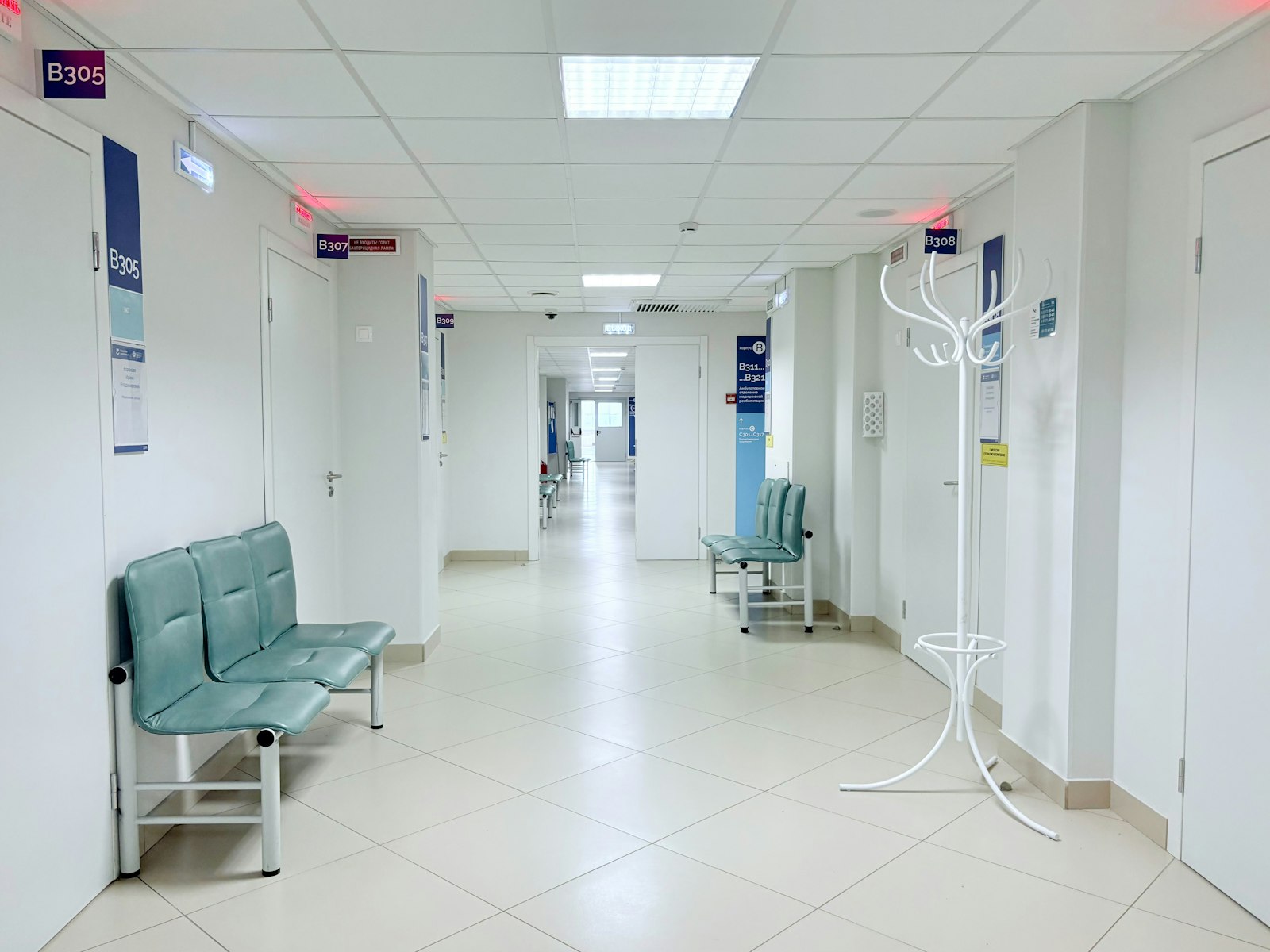
Healthcare workplace violence prevention is a written, continuously managed program that reduces assaults and threats against staff by patients, visitors, coworkers and outsiders. It rests on leadership commitment, a worksite analysis, practical hazard controls, staff training, easy reporting and regular review. Hospitals accredited by The Joint Commission have specific requirements, and some states, including California, add their own.
Healthcare workplace violence key takeaways
- Most healthcare workplace violence comes from patients and visitors, so prevention has to fit clinical care, not fight it.
- OSHA’s healthcare guidelines organize a program into five elements that still serve as the best blueprint.
- Underreporting is the biggest blind spot in healthcare workplace violence programs. If staff think reporting is pointless, your data will mislead you.
- Emergency departments, behavioral health units, waiting rooms and home health visits deserve their own controls.
- An outside consultant with healthcare security experience can run the worksite analysis and test whether policies work on the floor.
Why is healthcare workplace violence different from violence elsewhere?
Federal injury data has consistently shown that healthcare and social assistance workers suffer a disproportionate share of nonfatal workplace violence injuries. The reasons for healthcare workplace violence are built into the work: caring for people who are in pain, frightened, intoxicated, confused or in mental health crisis, often around the clock and with open public access.
Security experts commonly sort workplace violence into four types: criminal intent by a stranger, violence by a customer or patient, worker on worker violence, and violence spilling over from a personal relationship. In hospitals and clinics, healthcare workplace violence is dominated by the second type. That means many controls a bank or office would use, such as refusing entry, do not apply. You cannot turn away a patient in crisis, so the program has to manage risk while care continues.

What are the core elements of a healthcare workplace violence program?
OSHA’s Guidelines for Preventing Workplace Violence for Healthcare and Social Service Workers (publication 3148) describe five building blocks. They are voluntary guidance, but they remain the most practical way to organize a healthcare workplace violence program.
- Management commitment and worker participation. Leaders assign responsibility, fund the program and involve frontline staff, who know where the risks are.
- Worksite analysis. Review incident records, survey staff, and walk each unit to find where and when violence happens.
- Hazard prevention and control. Fix what the analysis finds with physical changes and work practices.
- Safety and health training. Teach staff to recognize escalation, de-escalate, call for help and protect themselves.
- Recordkeeping and program evaluation. Track incidents, near misses and corrective actions, then review the program regularly.
What do The Joint Commission and state rules require?
Since January 2022, The Joint Commission has applied workplace violence prevention requirements to accredited hospitals and critical access hospitals. In broad terms, they call for a defined program overseen by a designated leader and a multidisciplinary team, an annual worksite analysis, processes for reporting and investigating incidents, and training at orientation and on an ongoing basis that includes de-escalation and response to incidents. Check the current standards manual for exact wording.
California has a healthcare specific workplace violence standard in Title 8, Section 3342, which covers hospitals and certain other healthcare settings. Employers covered by that standard are generally excluded from the state’s newer general requirement under SB 553, which is explained in our article on the workplace violence prevention plan. Other states have their own laws for hospitals or healthcare workers, and federal legislation has been proposed in Congress more than once, so confirm what applies to each of your facilities.

Where does healthcare workplace violence happen, and what controls work?
A worksite analysis usually points to the same hot spots: emergency departments, behavioral health and psychiatric units, waiting rooms, intake and registration, long term care, pharmacies, parking areas, and home and community visits. Each needs controls matched to how care is delivered there.
| Area | Common risk | Examples of controls |
|---|---|---|
| Emergency department | Long waits, intoxication, crisis patients, crowded access | Controlled entry, visible security presence, clear sight lines from the nurse station, duress alarms, room layouts with two exits |
| Behavioral health unit | Agitation, self harm, use of objects as weapons | Ligature resistant fixtures, fixed or weighted furniture, staffing levels matched to acuity, trained response teams |
| Waiting and registration | Frustration over delays or billing | Updates on wait times, comfortable seating, counters with barriers, a quick way to summon help |
| Inpatient units | Visitors in conflict, confused patients | Visitor management, flags for patients with a history of violence, shared care plans |
| Home health and community visits | Lone workers in uncontrolled settings | Check in and check out procedures, mobile duress devices, the right to leave an unsafe visit, paired visits when risk is known |
| Parking and grounds | Robbery, domestic violence spillover | Lighting, escorts, cameras covering approaches, landscaping that preserves visibility |
Physical design matters as much as policy in reducing healthcare workplace violence. Principles of CPTED, such as natural surveillance and natural access control, can be built into renovations so staff can see and be seen without making spaces feel like a jail.
How should staff be trained?
Healthcare workplace violence training should match the risk a person actually faces. A registrar, a behavioral health nurse and a security officer need different skills.
Everyone
- How to recognize early signs of escalation and when to call for help
- Verbal de-escalation basics and positioning (keeping an exit, not turning your back)
- How and why to report every incident, including verbal threats
- What the facility’s emergency codes mean and what to do when one is called
High risk units and response teams
Staff in emergency, behavioral health and security roles need deeper de-escalation, safe physical intervention techniques consistent with your restraint and seclusion policies, and practice working as a team. Many hospitals train internal instructors so refreshers can happen on every shift. See trainers in our security training directory, and budget using the workplace violence prevention cost guide.

How do you fix underreporting?
Many clinicians have long viewed being hit, grabbed or threatened as part of the job. When staff believe nothing will happen, they stop reporting healthcare workplace violence, and leadership sees a falsely calm picture. To change that:
- Make reporting fast, ideally a short form that takes a couple of minutes from any workstation or phone.
- Count verbal threats and near misses, not just injuries.
- Close the loop: tell staff what changed because of their reports.
- Offer post incident support, including time off the floor and access to counseling.
- Make clear that reporting will never be held against the employee.
Concerning behavior that points to planned violence, such as threats from a family member or a former employee, should go to a behavioral threat assessment team rather than sitting in an incident log.
When should you bring in a consultant?
Internal teams know the facility, but an outside healthcare workplace violence expert brings fresh eyes and a benchmark from other organizations. A consultant is especially useful when you are preparing for an accreditation survey, after a serious incident, when opening or renovating a unit, or when staff surveys suggest people feel unsafe. Look for direct healthcare experience; credentials from the International Association for Healthcare Security and Safety (IAHSS), such as the CHPA, or ASIS certifications like the CPP and PSP are useful signals.
You can compare specialists in our healthcare security consultant directory. OSHA’s workplace violence resources are a good free starting point before you engage anyone.
Make your facility safer for the people who work there
Describe your facility, units and goals, and we will connect you with vetted healthcare security consultants who can run a worksite analysis, review your program and train your teams. Proposals are free.
Frequently asked questions
Is healthcare workplace violence prevention required by federal law?
There is currently no OSHA standard written specifically for healthcare workplace violence. OSHA can still cite employers under the General Duty Clause when a recognized hazard is not addressed, and it publishes detailed voluntary guidelines for healthcare. Accreditation bodies such as The Joint Commission and several states, including California, impose their own binding requirements on covered facilities.
What does The Joint Commission require for workplace violence?
For accredited hospitals and critical access hospitals, The Joint Commission requires a workplace violence prevention program led by a designated individual with a multidisciplinary team, an annual worksite analysis, processes to report and investigate incidents, and staff training at orientation and on an ongoing basis, including de-escalation. Always confirm details in the current accreditation manual.
Who commits most healthcare workplace violence?
Patients are the most common source, followed by visitors and family members. Much of this healthcare workplace violence is linked to pain, fear, intoxication, dementia or mental health crisis rather than planned intent. That is why de-escalation, staffing, environment and care planning matter so much, and why controls must work alongside patient care instead of blocking it.
How do home health agencies protect staff?
Common practices include risk screening before first visits, check in and check out procedures with a supervisor, mobile duress devices or apps, clear permission to leave any visit that feels unsafe, paired visits when a risk is known, and training on reading a home environment. Incidents should be logged and reviewed just as they would be in a hospital.
How long does a healthcare security worksite analysis take?
It depends on the size and number of facilities. A single clinic may take a few days of site work, while a hospital with an emergency department and behavioral health units usually takes longer, including staff interviews, incident data review and visits on different shifts. Ask consultants for a written scope and timeline in their proposals.
Keep reading

Workplace Violence Prevention Plan: SB 553 Requirements Explained

Behavioral Threat Assessment Team: How to Build One That Works